Health and Welfare Catering: Care, Hospital & Community Food Inspiration
Food that supports wellbeing
From hospital kitchens and care homes to community catering and Meals on Wheels, food plays an important role in health, wellbeing and quality of life. Whether you’re developing nourishing menus, supporting different dietary needs or making mealtimes more enjoyable, Stir it up brings you practical recipes, expert insight, sector news and fresh ideas created with health and welfare caterers in mind.
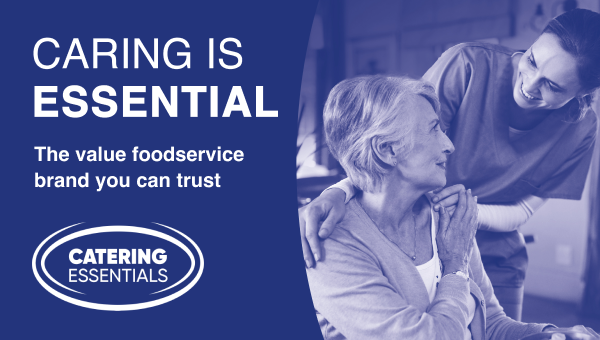
Practical ideas for caring kitchens
Balancing nutrition and hydration with special diets, texture requirements, resident preferences and cost pressures demands knowledge as well as creativity. Stir it up explores practical approaches to menu planning, food presentation and mealtime experiences, alongside recipes, industry insight and emerging trends. It’s inspiration to help catering teams develop enjoyable, workable food offers while following the professional and clinical guidance relevant to their setting.









Recipes
Discover thousands of patient-friendly recipes catering to all ages and dietary needs. Find inspiration for your menu or search for specific recipes.
Care Catering, Nutrition and Mealtime Experience
Health and welfare catering serves people with widely differing needs, from hospital patients to care home residents and people receiving meals in the community. Menus may need to accommodate individual preferences, allergies, cultural requirements, reduced appetites or clinically assessed diets while remaining appealing and practical to deliver. In regulated care settings, nutrition and hydration needs must be assessed and met, with appropriate support provided where necessary.
What is health and welfare catering?
Health and welfare catering covers food and drink provided in settings such as hospitals, care homes, nursing homes, residential care and community services including Meals on Wheels. The work combines professional foodservice with the needs of people receiving care, which may involve nutritional requirements, hydration, dietary preferences, allergies, special diets and support at mealtimes.
What are the biggest challenges facing care caterers?
Care caterers often need to balance nutritional needs, resident preferences, special diets, texture-modified food, hydration and enjoyable presentation while working within budgets and operational constraints. Recruitment and specialist skills are also important, particularly where teams support people with complex dietary needs. Stir it up explores these issues through care-sector features, chef interviews, practical guides and menu inspiration.
What should caterers consider when planning care home menus?
Care home menus should reflect residents’ assessed nutritional and hydration needs alongside their preferences, cultural or religious requirements, allergies, appetite and ability to eat and drink safely. Variety, familiarity, choice and presentation can all contribute to a positive experience. Formal requirements and individual care plans should always take priority, with specialist dietary advice followed where prescribed.
How can care caterers support residents with reduced appetites?
Smaller portions, frequent eating opportunities and appealing, nutrient-dense dishes can be useful approaches where they align with a resident’s assessed needs and care plan. Familiar flavours, attractive presentation and offering food at times when someone feels most able to eat may also help. Caterers should work with the appropriate care and clinical teams where poor appetite or weight loss is a concern.
What is texture-modified food in care catering?
Texture-modified food is food prepared to a particular consistency for people who have been assessed as needing it, including some people with dysphagia, or swallowing difficulties. The IDDSI Framework provides internationally standardised terminology and testing methods for food textures and drink thicknesses. Caterers should follow each individual’s assessment and current professional guidance rather than altering textures without appropriate direction.
How can caterers make care home mealtimes more enjoyable?
Choice, familiar foods, appealing presentation and a comfortable dining environment can make mealtimes feel more personal and enjoyable. Resident feedback can help teams understand favourite dishes, routines and changing preferences, while themed meals or occasional celebrations can add interest. For people living with dementia, individual needs may also influence presentation, eating support and whether finger foods are helpful. Stir it up regularly shares practical care-catering ideas.
Why are nutrition and hydration important in health and welfare catering?
Appropriate food and drink help support health, recovery and wellbeing, making nutrition and hydration central considerations in health and care foodservice. Needs vary considerably between individuals, so menus and service arrangements should reflect assessed requirements rather than taking a one-size-fits-all approach. NHS and CQC guidance also emphasises person-centred provision, safe delivery and appropriate support with eating and drinking.
Where can health and welfare caterers find recipe and menu inspiration?
Look for recipes that can bring variety, familiarity and enjoyment to menus while remaining suitable for your particular service and diners. Seasonal dishes, comforting favourites, global flavours and creative presentation can all provide inspiration. Stir it up’s Health & Welfare hub brings together recipes, care-sector stories, expert interviews and features covering subjects such as nutrition, dementia catering, dysphagia, training and community food services.



Past Issues
Whether you cater in care homes, nursing homes, or hospitals, discover a wealth of ideas, trends, success stories, and expert advice in our archives. Explore past issues and enhance your knowledge!
Read Now