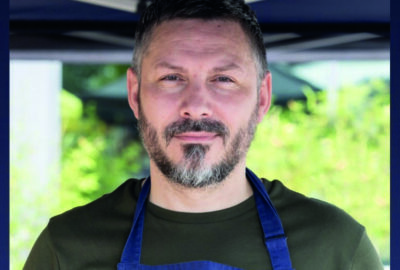
Michelin trained cook, celebrity chef and Tik Tok sensation Poppy O’Toole nearly broke the internet when you she first posted about her 15-hour potatoes. Quickly becoming known as the ‘Potato Queen’, it was only a matter of time before Poppy’s potato prowess put publishers on high alert. We caught up with Poppy as the British spud season begins in earnest to discuss potatoes, potatoes and more potatoes.
Are there any variants of potato you would recommend?
Vivaldi are lovely and brilliant for mash and jacket potatoes. Desiree are another beautiful variety with gorgeous red skin that are amazing when chipped, wedged or roasted. Charlotte potatoes are superb in salads and Pink Firs are the smaller knobbly potatoes, almost like thick fingers, that look unique on the plate and have a slightly nutty flavour. New Early Comber potatoes, which are grown in the town of Comber near County Down in Ireland, are also very special. They are similar to Jerseys but I actually think a little bit better so keep an eye out for them.
Should we be looking at potatoes more seasonally?
I was speaking to Claire Koffman – Piere Koffman’s wife who makes stupendously good potato dishes. She says it is so upsetting that people don’t quite understand the season of potatoes. Because of the storage qualities of potatoes, the seasons are often forgotten. It’s so important to use the right potato for the right dish. For me in winter, I stick to the King Edwards and Maris Piper. They provide a great yield and are perfect for Sunday roasts. In spring, I get really excited about the coming of the earlies when the new potato season kicks off. In season, they’re generally cheaper and as good as they get so all chefs should be making the most of them. During summer, I like a waxier potato such as Fingerling or Pink Fir to provide a twist to dishes. In autumn, I start to move back to the bigger boys such as Vivaldi and Desiree, and I absolutely love a Cyprus potato for chips or fries.
What are your top tips when working with potatoes?
Never waste the peel. I’m a big air fryer fan, which are great for making the most out of your potato waste. Load your peel with salt, maybe a bit of parmesan and air fry at 180˚C for 5-10 min for little crispy strips of peel pleasure. You can also do it in the oven. When I do dauphinoise, fries or anything that is being baked like a leek bake – I leave the skins on. It makes no difference, provides texture and adds to the flavour. Peel on means the dish tastes more potatoey.
How do you make the perfect fries?
I’m a triple cooked girl. I have tried all the techniques for chips, fries and all that’s in between, but it’s triple cooked all the way for consistency. Parboil, drain onto a rack, into the fridge to cool for an hour and then in to the fat at 140/150 and then increase it. Take them out, dry off the oil and then back in to finish.
What about mash? John Torode says he only uses a fork to mash – do you agree?
I peel and cut my spuds into 2cm round slices, not cubes. This means they cook evenly. Cold water and bring to a boil and I use the most heinous amount of salt in the water – saltier than the sea. I don’t add any more salt though. A bit like pasta. I made a batch at work and didn’t use enough salt in the water so added salt after.
I parboil, drain, steam dry, like with my roasties and then I pass them through a sieve or you can use a ricer. A drum sieve is fantastic. You can keep your fork Mr Torode. I will add lots of cubes of butter as I push the potato through the sieve as the fat will help the molecules stay together – the fat coats the starch molecules. Then only stirring the hot cream in until it is just in. Stir too much and it will go gloopy, rather than silky fluffiness.
Why do you love potatoes?
The question should be – how can anyone not love potatoes? Spuds are life. They are one of the most versatile, easily accessible ingredients that everyone can get their hands on. A huge part of life in a British kitchen, there are so many ways to use them to create deliciousness. If anyone says that they don’t like potatoes, they’re liars. You can’t tell me you don’t like chips.
Can you remember your first potato memories?
Shovelling peas and mash into my mouth probably. Between the ages of 3 and 7, I was obsessed with mashed potatoes. I would request that classic holy trinity – mash, peas and tomato sauce, which I would mix all together and devour. I had a pie yesterday at the pub and it came with mash and peas. I couldn’t help but request ketchup to mix in and I’m happy to say it stood the test of time. As I got older, chips started to dominate the potato podium. I even used to have those boxes of microwavable chips.
When did you cook potatoes for the first time?
At work I was put on potato duty at the first pub I worked in. I was a pot wash but peeling and chipping potatoes was my other job. I wasn’t allowed to cook them though. As I progressed with my career in restaurants, I would be making dauphinoise potatoes and potato fondants in Michelin kitchens. It wasn’t really my section so maybe they saw a potato passion deep within me. I like to think it was meant to be and I was good at it. Maybe the god of potatoes looked down at me as the chosen one. Let’s go with that.
How much experimenting have you done?
One of the restaurants I worked in had a flat next door which was rented out. It wasn’t meant to be anything to do with me but it became my job to make all the potato dishes in advance, which would then be cooked up for the guests staying in the flat. It was during this time that I really got to grips with all the incredible different ways that they could be served. It’s probably where the beginnings of the book started. I would have all these different recipes from chefs and I would be practising them, tweaking them and working out potato tips and techniques for myself.
Where can chefs expand their potato sources?
I would say that you need to head to your wholesale markets, visit the local growers in your area, go to farmer markets, check out the stalls on the side of A-roads and even experiment with growing your own. You will find so many different varieties and there is a potato for every situation.
I have mainly used the well-known varieties like Maris Piper as they’re one of the most widely available and consistent but be spud-curious and keep your eye out for the multitude of different varieties that come in all shapes, colours and sizes.
What’s the perfect Poppy roast tatty?
I boil from cold water for 10-15 minutes – a bit longer than normal. Drain them in a colander, then put it back over the pan with the drained water with a tea towel on top. The residual heat and steam will dry them out. They stay there for about 5 minutes and then go onto a ferociously hot oven tray with vegetable oil. For the crisp finish, I find vegetable oil is the best. If you like a bit of added flavour, beef dripping is great but you don’t quite get the crispness. I’m actually addicted to lamb potatoes at the minute. A leg of lamb roasted over the potatoes, flavours them perfectly. They don’t get as crispy but that luscious lamb fattiness is an absolute winner.
WIN!
We have one copy of The Potato Book to give away to one lucky reader! Go checkout The Country Club