No matter what the cuisine, when you speak to a chef who specialises or enjoys exploring regional dishes, they will tell you how traditional cooking methods enhance and define flavour. Sometimes there are simply no short-cuts to success. Many chefs will tell you that drawing from the skills and expertise of those who have come before us, who generously gift recipes and techniques from generation to generation, is just as important as the ingredients themselves.
When so much is consumed and discarded online and through social media, slowing the pace down to celebrate chefs who are dedicated to upholding and extolling the virtues of tradition takes centre stage in this month’s Melting Pot.
Sanjay Aggarwal Comments:
Chief Spice Officer, Spice Kitchen and author of Spice Kitchen, Vibrant Recipes and Spice Blends for the Home Cook
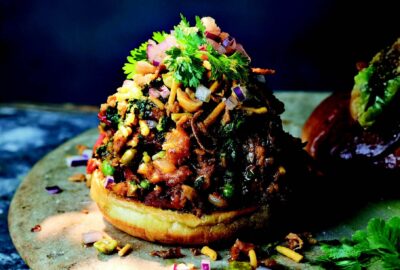
One traditional dish I always come back to is Pav Bhaji. It’s a classic Indian street food, but for me it’s also proper home cooking. We ate it growing up at summer barbecues and on cold winter nights – the same dish, cooked outside or in, always comforting and generous.
The magic is in the method. My mum would temper whole spices in hot butter, then grind garam masala by hand in small batches, using blending techniques she learned back home in India. She’d even make the sev topping fresh, because the extra crunch and texture lifted the whole dish – even if it took longer, it was always worth it. Those traditional techniques build deep flavour and contrast.
Chef Hayden BarkleyHead Chef, Summat To Ate, commented:
Traditional techniques define who we are as chefs and as a food culture. My favourite dish to cook is Beef Wellington as it uses a different combination of techniques that require skill and precision. In this dish, the techniques used are pan roasting, classic French reduction, pastry work, including enclosure and lattice.
Beef Wellington reflects how French culinary techniques influenced British cooking. The searing of the beef plays a crucial role in flavour development due to the Maillard reaction. Correct timing is required to reduce the mushroom duxelle to ensure the correct moisture level in the Wellington and the correct thickness of pastry is required to achieve evenly cooked, flaked pastry.
Johanna Witchell Marketing Manager, Tilda Ltd, says:
Rice pudding is a dish steeped in tradition and many of our earliest food memories. For many it’s school puddings with a skin on top and a dollop of jam, or a bowl lovingly spooned out by a grandparent, slow-cooked and meant to comfort. It’s a recipe that has always been about simplicity, patience, and warmth, making it one of the most enduring classics in British kitchens.
A Coconut & Mango Jasmine Rice Pudding takes that familiar foundation and gently transports it somewhere sunnier. By using fragrant Tilda Jasmine Rice, the pudding retains its soft, creamy texture while gaining a naturally floral aroma that feels light and indulgent. Coconut milk adds richness without heaviness, while vanilla keeps the flavours grounded in tradition.
Maria Chong Managing Director, Lee Kum Kee Europe, says:
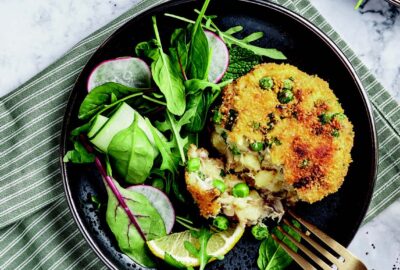
China is home to diverse culinary traditions, and one dish I particularly admire from my Cantonese heritage is Hakka-style Stuffed Tofu. This classic uses firm tofu filled with a mixture of protein and vegetables, then fried and steamed to achieve a delicate balance of textures.
The secret lies in seasoning — Lee Kum Kee’s Oyster Sauce, Light Soy Sauce, Sesame Oil, and Mushroom Seasoning Powder bring rich umami while keeping the dish light and wholesome. By using frozen tofu and locally sourced ingredients, it remains cost-effective and easy to prepare in modern kitchens.
Ideal for warmer seasons, it delivers a healthy, balanced option that resonates with today’s diners. More than a dish, it reflects Hakka culinary ingenuity and the enduring value of preserving authentic, heritage cooking techniques.
James Brown Executive Chef, Unilever Food Solutions UK&I comments:
Shakshuka — eggs poached in spiced tomato and pepper sauce is vibrant, healthy, and perfect for UK brunch culture and can be peaked by adding Knorr Al Fez Harissa sauce for fragrant spiciness.
The slow simmering of vegetables, layered spices, and poached eggs directly in the sauce creates a rich, sweet base. Use Knorr Al Fez Shakshuka Sauce, launching with Unilever Food Solutions, for speed and consistency while maintaining authentic flavour. Pair with British eggs and fresh herbs, rocket or pea shoots for a local twist.
Abhishek Kumar Chef, Tanishq says:
Chargrilled Lahsooni Jhinga, with Cornish tiger prawns marinated in roasted garlic and garam masala and served with an avocado-mango salsa, is a dish I admire for capturing the essence of North Indian coastal cooking, where seafood is treated with care and its sweetness is enhanced by garlic, spice, and fire.
Using time-honoured techniques like dry-roasting garlic and whole spices, marinating, and chargrilling over high heat, the dish develops rich, layered flavours without heavy sauces. Roasting mellows the garlic and brings out nutty sweetness, dry-toasting the spices releases essential oils, and chargrilling adds smokiness and caramelisation while sealing in moisture for tender, succulent prawns.
In a contemporary kitchen, precise control of temperature ensures consistency, while the avocado-mango salsa adds balance and preserves the dish’s cultural heritage. Garlic-forward seafood dishes like this reflect simplicity, and preserving these methods keeps generations of knowledge alive, connecting diners to both flavour and culture.