Food Trends for 2026
Following the release of thefoodpeople’s predictions for the forthcoming year, we’ve identified some of the most prominent trends to help your business grow and reach new audiences. From emergent to mainstream, here’s what’s cooking in 2026.
Emergent Trends
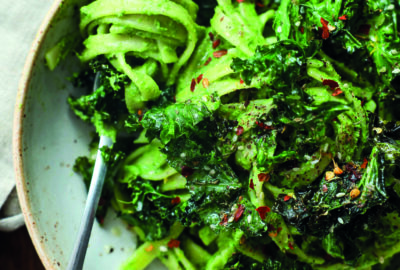
Green power on every plate
Plant powered eating keeps growing and the UK food scene is leaning into veg with real creativity. Diners want flavour first and plants happen to carry it brilliantly. Think Jerusalem artichoke on toast with ricotta and mint oil, or smashed peas with dukkah and parmesan. These dishes feel hearty and fit the moment.
Care caterers can explore soft textured favourites like lentil shepherd’s pie, cauliflower cheese bakes boosted with extra pulses or a chickpea and squash stew that keeps residents satisfied. Schools can nod to global flavours with miso garlic mushrooms on toast or a mild coconut and vegetable curry. For hospital menus, plant-first bowls work well when they’re simple to portion and gentle to digest. A roasted tomato and barley risotto or a carrot and chickpea mash bowl brings comfort without fuss.
Restaurants and cafés can explore fun formats from the trend with koji-infused tomato butter and dry-roasted edemame garnishes. Pubs and event caterers can run with veg led grazing boards featuring smashed broad bean dip, roasted roots, pickles and whipped carrot hummus or labneh. Even a loaded jacket potato bar with plant-based toppings inspires with its simplicity.
Waste Not, Want More
Smarter Waste & Packaging
Food waste has officially lost its “inevitable” status. This trend is all about prevention, not just finding clever ways to deal with it. From extended shelf-life tech to edible coatings and compostable packaging, the food industry is rethinking waste as a design flaw, not an outcome.
For caterers, this is about reimagining value. Care and hospital kitchens, where consistency and safety are critical, can make simple but meaningful swaps: freeze surplus soups and purées in portioned trays, turn stale bread into savoury puddings, or batch-cook using predictive meal data. Schools can turn waste reduction into a learning moment by running “zero-waste lunch” days or upcycled snack bars that transform surplus fruit into flapjacks.
Cafés and restaurants are pushing further, reusing by-products in creative ways, like pickle brine vinaigrettes, carrot-top pesto, or spent coffee rubs for meats. At events, edible spoons, pulp-based plates, and refillable drinks stations are stepping in for single-use plastics, giving eco-efficiency a sleek, modern look.
Packaging design is also levelling up. Compostable trays, mushroom-based wraps, and reusable delivery containers that have been recently introduced are getting scaled up. Reducing waste is no longer about incremental fixes, it’s about redesigning the system so that waste doesn’t exist in the first place.
Trends Gaining Momentum
Quality, quick food
Convenience has a new identity in 2026, it’s about ease without sacrificing freshness or joy. Fast-food menus are moving toward dishes that cleverly satisfy diners quickly yet still feel cooked with care. From mackerel with pickles and herbs on sourdough, to brunch style crispy prawn toast with chutney, and
mini-pies made with wonton wrappers, convenience
is no longer bland and basic.
Caterers in education or healthcare can keep things speedy with ready to assemble bowls and trays. A base of warm grains or rice, topped with roasted veg, cooked chicken or beans, a flavourful sauce and a crunchy garnish. Cafés can prep mix-and-match pots for grab-and-go moments or re-imagine dishes such as smashed potato waffles using baked potatoes pressed in a waffle iron with cheese, pickles and a burger patty.
To maximise this trend, preparation and tech such as air fryers are key to reducing waiting times and creating nutritionally balanced meals that can be produced in less time than it takes to boil an egg.
No Nasties
Diners are reading labels and checking ingredients more than ever. They still want pleasure from food but fewer additives and clearer recipes win trust. Dishes built from recognisable ingredients will catch attention because they are easy to understand.
For care and hospital catering, a leek and potato soup enriched with olive oil instead of emulsifiers or a baked rice pudding thickened naturally will feel safe and satisfying.
Schools can offer snacks like fruit and nut bars without mystery sweeteners, or seed-topped crackers with a simple cheese dip. Cafés and restaurants can give dishes a gourmet twist with homemade crisps seasoned with herbs or a whipped bean dip dressed with flavoured oil and roasted nuts.
Event caterers can build menus around transparency. Think whole roasted chicken pieces, simple salads, and dessert pots that rely on natural flavour from fruit curds or dark chocolate.
Trend Becoming Mainstream
Small bites with big personality
Snacking has become the new mealtime. People graze, nibble and share throughout the day and the trend has sparked wild creativity on social platforms. Curried fried egg on sourdough or tomato and jamón toast are just a few examples of this trend playing out. Watch out for mini and XL formats such as little doughnut bites with dips or giant pork scratchings with cod roe, offering a touch of playfulness for diners.
For cafés, snack style menus boost spend throughout the day. Toast flights, pizza cups and tubs of mini-cookies will encourage add-ons as consumers purchase a combination of small plates.
Playing with texture will also be important within this trend. The popular Dubai chocolate bar will
be re-imagined to produce new options such as angel hair chocolate, which reveals Turkish cotton candy when broken open, mochi-style doughnuts paired with boba, or ice cream topped with
freeze-dried sweets.
The ‘Snack Attack’ trend opens huge possibilities. Toast becomes a meal. Crisps become a canvas. Pastry becomes a platform. The goal is simple, give people something tasty and smile inducing.
Whether you are a restaurant, school caterer, café or care caterer, food trends for the coming year centre around comfort, fun and convenience. A new wave of health-thinking shaped by GLP-1 treatments will be pushing protein, fibre and smaller portions. Tech reshapes freshness and waste prevention, while we see the mighty loaf rise again to form the foundation of new dishes. Everything is quicker, cheekier and easier to grab. The mood is comfort first, freshness second and flavour gets dialled up.