Mark Dredge is a James Beard award-winning beer writer, author and TV presenter who serves as the resident beer expert on Channel 4’s Sunday Brunch. A certified cicerone (the beer equivalent of a sommelier), he is currently an adviser to the EU’s More Than Only Food & Drink campaign and has written nine books focused on beer history, flavour profiles, and food pairings.
How can someone get started with beer pairings?
It can be as easy as pairing beer with snacks on the menu – it doesn’t need to be with full meals. A beer and snack menu can be a great way to encourage people to try different things.
Are there simple principles to apply?
Intensity matching is one of the best approaches. You wouldn’t put a classic but light German Pils with a rich chocolate cake because the dessert will overpower the beer.I use an approach that looks to bridge flavours. It means you’re looking for something similar in the beer and food to help them come together. Using roasty Irish stout with a charred steak or a creamy German Hefeweizen with a Thai curry.
Are there any classic pairings that surprise people?
One that always works is a Belgian cherry beer with a dark chocolate dessert like a brownie or mousse. The sweet-sourness in
the beer is a brilliant flavour with the chocolate.There’s a unique style from upper Bavaria called Rauchbier, which is a smoked lager. It’s an unusual flavour to begin with but it’s wonderful with smoked meats or a big traditional American barbecue.
Avoid very hoppy beer with spicy food as the flavours can clash and actually make the chilli heat more intense, which can be unpleasant.
Do operators need to invest in serveware?
One common issue I hear people say is that beer fills them up, so they don’t want to have beer with dinner. But you don’t need to have pints with a meal, and smaller servings – much like wine – make more sense. Have nice half-pint glasses and nice stemmed wine glasses.Serve everything fridge cold or at regular draught temperature. No special technique is needed, but make sure a beer has foam – foam makes a beer look better, and that’s the big part of the perception of quality.
Can low and no-alcohol beers be part of a pairing offer too?
Yes, absolutely. It’s another way to make beer feel like an elevated dining experience. Often alcohol-free can be perceived as beer without something, but there are so many great non-alcoholic beers available and they deserve to be celebrated.
Mark’s Top Pairing Tips:
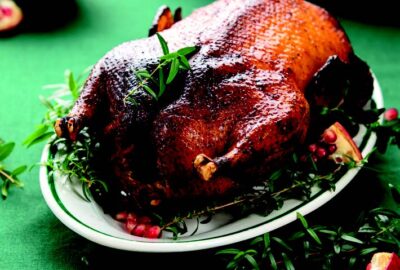
- Red meat has a richer flavour and works well with malty beers like Belgian amber ales, German dark lagers, Czech lagers and Irish stouts.
- Belgian Dubbel and Quadrupel are really good with things like a roast dinner, a beef Wellington, a hearty stew or a ragú or beef lasagne.
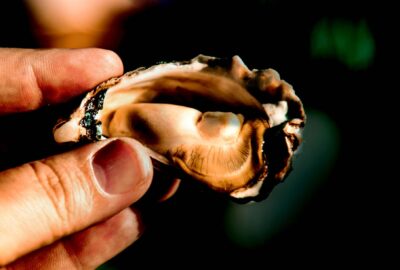
- Fish and seafood typically want lighter beers like Belgian Witbiers, Saison, Blonde ales, or a classic Pilsner.
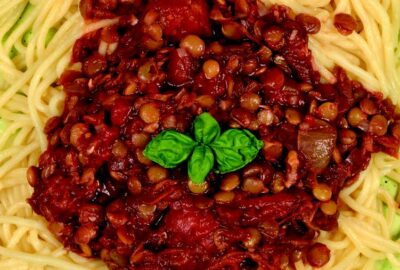
- Tangy tomato-based dishes like a malt flavour so an Amber or Dark Lager, or Belgian Dark Ale is good with tomato dishes.
- Hops and IPAs are best with stronger and richer dishes, often with fried foods.
Hospitality News
Uncover the latest industry news, success stories, updates and recipe ideas to elevate your business, enhance your menu offerings and boost footfall.