Turkey will always take pride of place on tables in December, but the plates around it are changing. Amidst the copious array of rich food, diners are also looking for something celebratory that will still leave room for dessert. Seafood can be the light, bright antidote to all that roasting and braising, and winter also just happens to be the finest time of year for British and Irish shellfish.
What’s in Season
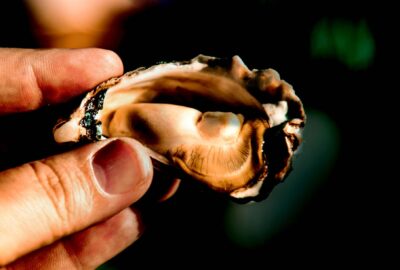
Native oysters run from September to the end of April, mussels are at their fullest between October and February, and hand-dived scallops come into their own during the winter months too. Rounding out the category are brown crab, langoustines and clams which deliver fresh flavour at a fraction of the cost of a fillet steak. The catch of the day isn’t limited to shellfish either, halibut, brill, monkfish and hake are readily available and take winter flavours and different cooking techniques without falling apart. At the other end of the scale, sprats, herring and sardines are available in volume through the cold months, are highly cost-effective and cure, pickle or grill beautifully. Devilled sprats with a wedge of lemon make a great bar snack for very little money. “We’re serving hand-dived scallops from Loch Broom, creel-caught langoustines landed locally, and halibut, which I’m particularly enjoying working with just now,” says David Smith, Head Chef at The Dipping Lugger in Ullapool. “Being so close to the source means we’re able to build dishes around what’s at its absolute best.”
Getting Inspired with Seasonal Serves
The party season is a real opportunity for seafood to shine, with canapés, grazing boards and sharing platters delivering a sense of occasion and cost efficiencies. Early starts to the day can be made extra special with smoked haddock and a poached egg, kedgeree with warming spice, or potted shrimp melting into hot toast. Lunch menus can hero chowder, mussel and leek pie or crab rarebit for a luxurious take on a light-bite staple. “We’re seeing chefs increasingly turn to mussels because they’re versatile and deliver that premium feel without adding complexity to service,” says Gavin McLean, Managing Director of 555 Amanda UK. “Ambient mussels are ideal for festive dishes such as creamy garlic mussels, seafood linguine, chowders or tapas-style sharing boards. Roe is another great festive ingredient. It works brilliantly in canapés, smoked fish pâtés and fishcakes, offering something a little different while delivering excellent value.” The instinct at Christmas is to add, but when it comes to seafood, restraint is best. “We keep the cooking quite simple and let the quality of the seafood speak for itself,” says Chef Simon Ball of Chef Ball Catering and Events. “With seasonal fish such as Cornish sea bream, we like pan-roasting or grilling, which brings out the natural flavour while giving the skin a good crispness. Steaming clams and mussels gently allows their sweetness and salinity to come through. We like to pair them with lemon, herbs, fennel, tomatoes, garlic and white wine, using acidity to lift the dish and balance the richness.” Acidity is the secret weapon on a festive menu. Everything else on the table is rich, so a squeeze of citrus or a sharp pickle stops the whole meal feeling too heavy. For a bit of indulgence, smoked shellfish opens up different pairings. Gavin recommends smoked mussels with horseradish, crème fraîche, beetroot, rye bread or pickled vegetables for elegant canapés, and points to bisques dressed with cream and fresh herbs as a reliable starter. Samphire, celeriac, roasted roots and buttery mash all help create something comforting and celebratory too.
Tips for making seafood the hero this Christmas
- Shellfish peaks in the cold months, so mussels, scallops, oysters, clams and brown crab are at their best and keenest price
- Herring, sprats and cold water prawns deliver big flavour for very little outlay
- Keep cooking simple, and use acidity to cut through rich festive food
- Adapt dishes customers recognise rather than launch something unfamiliar in your busiest weeks
- Buy whole where you can and turn shells and trimmings into stock, bisque or sauce
- Look for MSC (Marine Stewardship Council) or ASC (Aquaculture Stewardship Council) accreditation, and tell customers the story on the menu
Giving the Classics a Refit
Reworking a familiar dish beats inventing a new one as customers tend to order what they recognise. At The Dipping Lugger, David has taken a Scottish institution and turned it inside out. “I have a Cullen Skink inspired dish on the menu, but instead of serving it as the traditional hearty soup, I blend and pass it into a smooth sauce that’s served with the scallops. It keeps all those familiar smoked haddock flavours while creating something more suited to a modern seafood dish.” Simon works the same way, building around the catch rather than forcing something into a fixed recipe. “A traditional fish stew or bouillabaisse can be built around the best available Cornish fish and shellfish, changing the ingredients dpending on the catch. The key is to keep the foundations of the dish familiar while allowing the seafood to be the focus.”
Making the Margins Work
Seafood has a reputation for being expensive, and it can be if you buy badly and have high volumes of wastage. To maximise your margins, David suggests working with what’s in season. “Not only is the quality at its best, but you’re also often getting better value,” he says. “It’s important to use as much of the product as possible. Making sauces or stocks from shells and trimmings helps maximise flavour while reducing waste.” Cross-utilisation of ingredients throughout the menu is another big waste-saving tip. “Choosing ingredients that work across multiple dishes also helps improve profitability,” says Gavin. “A lobster bisque, for example, could work beautifully as a standalone ingredient but also be the base of a seafood pasta sauce, a sauce for fish dishes or to elevate a fish pie.” As we head into the busiest time of year for the sector, somewhere between the canapés and the cheeseboard there’s room for a dish that gives diners time to pause in a month of very familiar food. Winter seafood is at its best right when you need it most. Keep it simple, seasonal, and let the quality speak for itself.