Chef, food writer and co-founder of Padella Pasta and Trullo
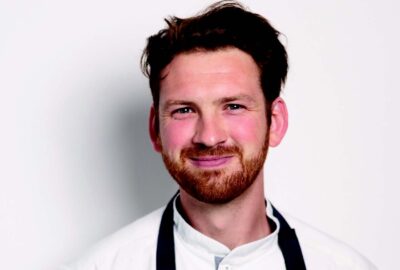
Since being one of the first intake of unemployed youngsters to train at Jamie Oliver’s Fifteen Project, Tim Siadatan hasn’t looked back. He co-founded Trullo in 2010, before launching the runaway success Padella in Borough Market in 2016 with a second site in Shoreditch in 2020. Synonymous with the finest fresh pasta in the capital, Padella’s first ever cookbook hit the shops this year.
Tell us about your first memories of food
I think I would have been around five years old. My dad used to own pizzerias so I would spend Friday nights and weekends under the pizza section watching chefs, (or their ankles), bustle about. I vividly remember that smell of pizza wafting through the air.
When did you know your career would be in food?
I grew up in restaurants and food played a huge part of our home life. We were always sat around the dinner table together and my gran used to grow everything, pickle, preserve and cook.
Who have been your key mentors?
Jamie Oliver. He saw something in me and gave me the belief. Then there is Fergus and Margot Henderson. I’m in awe of them and they have been a huge influence on me.
Tell us about the book?
It’s really a history of the restaurant showcasing the key pasta dishes and signature sauces that have given us our identity and made us what we are. It’s been nice going back through time and digging out the recipes from those early days as we turn ten next year. I really hope people enjoy them as much as I enjoyed putting it together. There is something for all cooking levels from simple seasonal dishes to the more elaborate and refined.
What cuisines do you love when you’re not eating Italian?
I love them all when they’re good but at home when it’s not Italian, I love to cook British, French, Indian and Spanish but also enjoy playing around with south-east Asian food – Thai and Vietnamese. We recently met some neighbours from South America, so Chilean and Peruvian are cuisines I’ve been flirting with.
Have recent changes brought in by the government affected the business?
It is what it is. There is an increased amount of spend that affects the bottom line. It affects us like it affects everybody. It’s not ideal but we just have to suck it up, amend forecasts and work out the best way to get through. Although it wasn’t welcomed and it was the last thing the industry needed, at least it’s an exact amount and not something variable, like with rising energy costs these past few years.
If you were Prime Minster for the day, what would you do?
Re-introduce freedom of movement across the UK and EU. The biggest three challenges for us and many businesses are staffing, staffing, staffing. I really hope this youth mobility visa happens. It’s more than just filling job roles, it’s about giving back that beautiful mixture of Europeans into the UK that really make our hospitality scene flourish. Having young people from countries with historical food cultures in their DNA has brought in different levels, flavours and techniques. It’s the eclectic mix of all these cultures alongside British cuisine that makes the UK food scene so unique and special.
Three secrets for pasta success
- More water than you think and more salt than you think. Your pasta needs to move around freely so lots of boiling water and a big pan. Most people think the amount of salt we put in to our pasta water is heinous. It isn’t, it’s vital and not all the salt goes into the pasta. As a rule of thumb, a fistful of salt so it tastes likes mild sea water.
- Don’t throw your pasta water away or keep at least 2 mouthfuls.
- Cook the pasta for two minutes less than it says on the pack, drain and then add to the sauce in the pan to finish with a little pasta water.