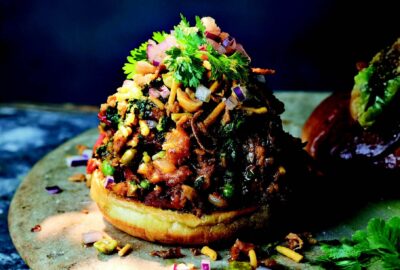
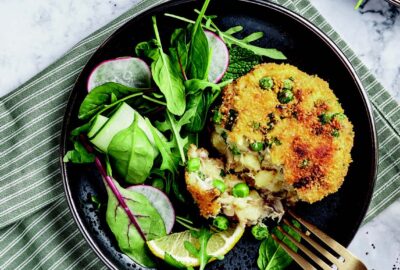
As creative as she is passionate about photography, Majella Taylor has been capturing the heart and soul of hospitality for over 15 years. Currently running her own photography and social media house – aptly named Pavlova and Cream – in London, she understands exactly how to make an image speak a thousand words. It’s therefore no surprise that we were excited about the opportunity to gain the benefit of her advice this month.
What does “authentic” food photography mean to you?
It’s about telling your story, showcasing your venue, food, and even suppliers in an honest, genuine way. It’s far easier, and far more rewarding, to be honest than to spend time constructing a version of something you think your customers want to see. Dining out isn’t just about the dishes on the plate; it’s about provenance, personality, and the people behind the experience.
What lighting setups work best for restaurants?
Most importantly, stay away from the pass. The lighting there is harsh and unnatural, and it can be challenging to work with. Soft, natural light is always your best friend. Indirect daylight works beautifully, and shadows shouldn’t be feared either; they can add depth and atmosphere to an image.
Simple setups tend to work best. It’s about finding a look that suits your venue’s personality.
What food photography trends should be embraced/avoided?
Authenticity and imperfection are definitely having a moment, and for good reason. “Perfectly imperfect” images, with drips, crumbs or half-eaten plates, feel more natural and relatable. Bringing in hands, movement or even faces can help tell the story of the experience and make the viewer feel part of it, rather than just looking in from the outside.
Pouring shots are another trend that continues to work really well. They’re fun to create, add movement, and are always pleasing on the eye.
On the flip side, it’s worth avoiding visuals that feel overly busy or cluttered, rely on harsh or flat lighting, or use heavy filters, especially over-saturation or artificial effects. Unrealistic close-ups that distort food, or stylistic gimmicks like extreme colour blocking that don’t align with the brand or venue, can end up making food look less appealing rather than more.
What practical steps can a restaurant take to build that consistency?
Create a short list of around five clear guidelines and pin it somewhere visible, on the fridge, in the office, or near the pass. This doesn’t need to be technical; it can be as straightforward as “use natural light only,” “shoot from a 45-degree angle,” or “keep backgrounds clean.”
Next, choose two or three reliable spots in the venue where the food photographs best and stick to them.
Finally, agree on a shared visual style. This could be a preference for soft, natural light, minimal props, or a slightly moodier feel.
If you had to give one piece of advice to hospitality operators who want better food photography today, what would it be?
Authenticity is everything
Authenticity is everything. Tell your story. Not just the food, but your team’s story, your suppliers, and the people who make your venue. Dining out isn’t just about the dishes on the plate; it’s about provenance, personality, and the people behind the experience.