With over 25 years of experience in hospitality operations and technology, Chris Fletcher is the Founder & CEO of Tech On Toast, a company that simplifies the way hospitality technology is bought and managed. We caught up with him to learn more about the solutions available to hospitality businesses that enhance the customer dining experience.
If you were opening a new site tomorrow, which technologies would you treat as essential and which would you phase in later?
Essential: a reliable POS, integrated payments, workforce management, stock control, and a solid connectivity setup. These protect margin, keep service moving, and give you real data from day one.
Phase in later: loyalty, advanced CRM, kiosks or table ordering, AI-driven forecasting, and guest experience tools once the operation has settled and you understand the flow of the site.
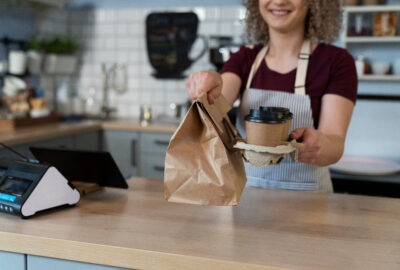
How can mobile ordering and pre-ordering platforms reduce queue pressure in busy environments?
They spread demand before guests arrive, shift transactions away from peak bottlenecks, and allow kitchens and bars to pace production more efficiently. Guests feel the benefit instantly through shorter waits and clearer expectations.
Which innovations matter most for allergen and nutritional transparency?
Live menu data synced directly from the kitchen or recipe management system, clear digital allergen filters, and automated prompts for cross-contact risks. Anything that removes manual updates reduces risk and builds trust with guests who rely on absolute clarity.
What data signals should operators monitor to understand guest satisfaction in real time?
Speed of service, order accuracy, sentiment from quick post-visit surveys, return frequency, dwell time, and basket uplift. When these move together, you get an early warning of issues long before reviews appear online.
How can tech improve the accessibility of menus and ordering for guests with visual or cognitive challenges?
Large-format text options, audio-readout menus, high-contrast designs, simplified workflows, and the ability to order through a personal device. Personalisation features such as remembering preferred layouts also make a significant difference.
Which guest-facing tools build loyalty in settings where diners don’t always choose the venue, such as workplaces or schools?
Pre-ordering, transparent nutrition, clear allergen visibility, frictionless payments, and feedback loops that show guests their comments actually lead to changes. Convenience and communication drive loyalty even when choice is limited.
What payment trends should operators prepare for over the next two years?
Growth in digital wallets, biometric authentication, instant bank-to-bank payments, and more invisible payments embedded into ordering journeys. Operators should also expect higher guest expectations around speed and reliability at the point of payment.
How can immersive or interactive elements elevate themed events or live catering experiences?
Projection, lighting, scent, interactive screens, table triggers, and personalised menus all heighten engagement. When guests can influence the environment or see the story unfold around them, the experience becomes memorable, shareable, and commercially
more valuable.